Six Sigma in a Digital World: Challenges and Opportunities
- sonamurgai
- Sep 25, 2025
- 2 min read
The rise of digital transformation has changed the way organizations operate, deliver value, and compete. Cloud platforms, automation, artificial intelligence (AI), and big data analytics have redefined processes across industries. Amid these changes, Six Sigma—a methodology built on data-driven problem-solving—remains as relevant as ever. But the digital era brings both new challenges and fresh opportunities for applying Six Sigma.
Challenges of Six Sigma in the Digital Era
Data Overload: Digital systems generate massive volumes of data. While this seems like a Six Sigma advantage, the challenge lies in filtering out the noise and identifying what’s truly relevant to customer value and process improvement.
Fast-Paced Change: Agile and DevOps environments evolve rapidly, making traditional, lengthy Six Sigma project cycles increasingly difficult to sustain. Organizations must adapt Six Sigma tools for shorter cycles while maintaining rigor.
Integration with Technology: Applying Six Sigma to digital processes like cloud migration, software development, or robotic process automation requires a deeper technical understanding. Black Belts may need additional training in digital systems and analytics.
Cultural Resistance: In digital-first companies, teams often embrace agility and speed. Six Sigma can be perceived as “too slow” or “too rigid” unless positioned as complementary to Agile practices.
Opportunities for Six Sigma in a Digital World
Enhanced Data Analytics: Advanced analytics, AI, and machine learning allow Six Sigma practitioners to model variability, forecast outcomes, and detect anomalies with greater accuracy. This makes root cause analysis more precise than ever before.
Process Automation: Lean Six Sigma identifies non-value-added activities, while digital tools like RPA (Robotic Process Automation) eliminate them at scale. Together, they deliver efficiency and cost savings.
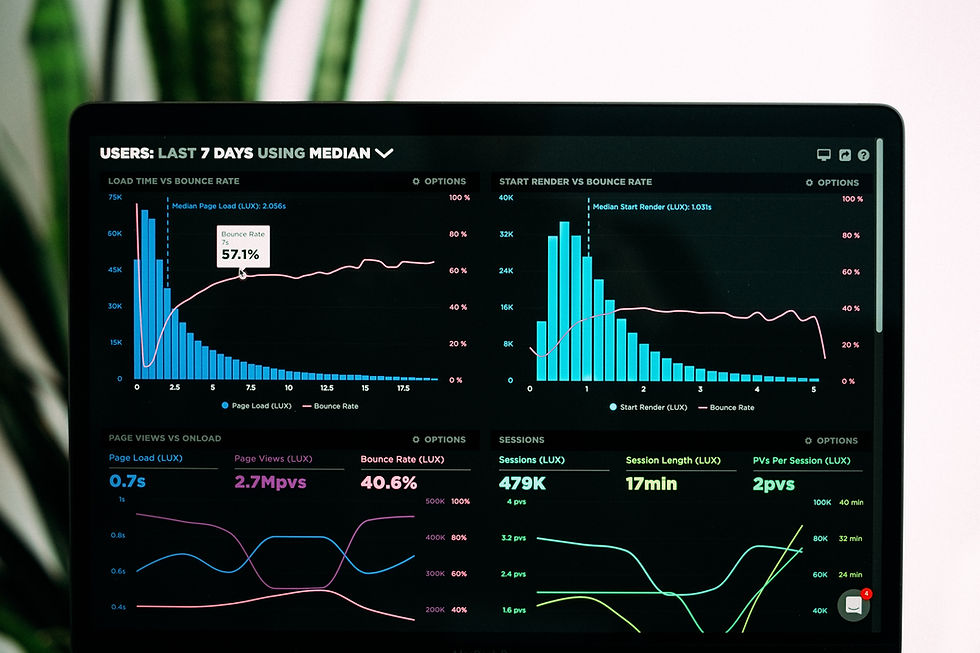
Real-Time Monitoring: With IoT sensors and digital dashboards, processes can be tracked continuously. Control charts, KPIs, and CTQs can be monitored in real time, enabling proactive quality control instead of reactive fixes.
Global Collaboration: Cloud-based tools support virtual Six Sigma projects, allowing distributed teams to share data, collaborate on process maps, and conduct workshops without geographic barriers.
Stronger Alignment with Agile: By blending Six Sigma’s analytical rigor with Agile’s speed, organizations can tackle both efficiency and adaptability. For example, DMAIC can complement Agile sprints by addressing complex problems within iterative cycles.
Moving Forward: A Digital-Savvy Six Sigma
For Six Sigma to thrive in the digital world, practitioners must evolve:
Embrace digital literacy, understanding data platforms, automation, and AI.
Leverage shorter project cycles while maintaining statistical rigor.
Position Six Sigma as a partner to Agile and digital initiatives, not a competitor.
Ultimately, Six Sigma’s core purpose—reducing variation, improving quality, and creating customer value—remains unchanged. The digital age doesn’t replace Six Sigma; it amplifies its impact, offering more tools, data, and opportunities to drive excellence.
Bottom line: Six Sigma in the digital world is not about reinventing the methodology, but about adapting it to leverage today’s technology-driven opportunities while addressing new challenges.


Comments